What are the types of maintenance in food industry?
Food industry maintenance typically includes preventive maintenance, predictive maintenance, corrective maintenance, emergency maintenance, and sanitation-related maintenance. Preventive work focuses on scheduled inspections and servicing, while corrective work addresses failures after they occur. In processing environments, maintenance also often includes tank cleaning, sludge removal, equipment checks, and upgrades that support safety, uptime, and regulatory compliance.
What is included in plant maintenance?
Plant maintenance generally includes inspection, cleaning, repair, replacement, calibration, preventive servicing, and performance monitoring of critical systems. For food and beverage facilities, that can also include tank and lagoon cleaning, sediment removal, entry portal installation, retrofit work, and maintenance planning designed to reduce downtime, protect product quality, and improve worker safety.
Can tank cleaning be done without shutting down production?
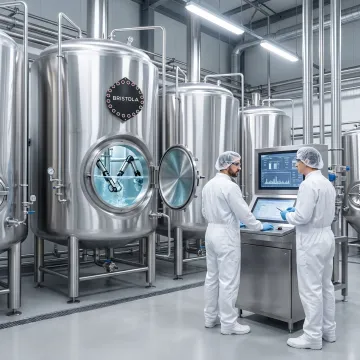
Yes, in many cases Bristola’s zero-human-entry robotic cleaning system can clean tanks while they remain in operation. This approach helps facilities avoid draining tanks, arranging temporary storage, or pausing production. It is especially valuable for food and beverage plants that need to maintain throughput while still removing sludge and sediment that can affect efficiency and cleanliness.
Why is zero-human-entry maintenance important for food and beverage plants?
Zero-human-entry maintenance reduces confined-space risk for workers while helping facilities maintain cleaner, more controlled operations. In food and beverage environments, safer access methods also support more consistent maintenance scheduling because service can often be completed with less disruption. That means fewer shutdown-related costs, lower exposure hours, and a more reliable path to maintaining critical storage assets.
What kinds of food and beverage facilities can benefit from these services?
These services are well suited for food and beverage processing facilities that rely on tanks, covered lagoons, or other liquid storage systems. Plants dealing with sludge buildup, sediment accumulation, difficult tank access, or costly downtime can benefit most. Facilities looking to improve maintenance efficiency, worker safety, and long-term asset performance are strong candidates for robotic cleaning and retrofit solutions.
How often should a food and beverage plant schedule preventive maintenance?
Preventive maintenance schedules should be based on tank usage, material characteristics, buildup rates, and operational demands. High-throughput facilities or systems handling heavier solids may need more frequent inspections and cleaning intervals. A structured maintenance program helps operators track condition trends, plan service before major buildup occurs, and avoid larger shutdowns or emergency cleanouts later.
Can existing tanks be retrofitted for robotic cleaning access?
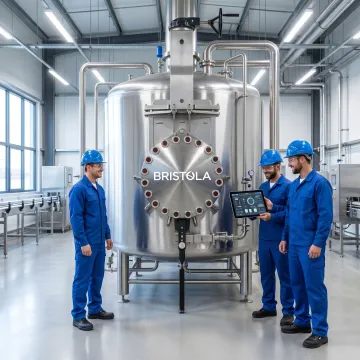
Yes, existing tanks and certain storage facilities can be retrofitted with the hardware and system components needed for future zero-human-entry cleaning. Retrofitting usually begins with preparing or cleaning the tank, followed by installation of access and operating components. This gives facilities a long-term maintenance solution that can reduce future downtime and improve serviceability.
What are the main benefits of robotic cleaning for plant maintenance?
Robotic cleaning helps reduce downtime, improve worker safety, and remove sludge or sediment more efficiently than traditional human-entry methods. For food and beverage plants, it can also support cleaner operating conditions and better asset performance over time. Because the system is designed to work with active operations in many applications, facilities can often maintain productivity while completing essential maintenance.